Organizational Structure
Background
In the event of soil and groundwater pollution, identifying the source and holding polluters responsible can be challenging. The government intervenes immediately with measures to prevent the pollution from spreading and mitigate its impact. In cases where the polluter fails to adhere to regulations and remediate the pollution, the government needs to further intervene and take initial action. Therefore, a stable financial support system is essential to fund environmental protection agencies' remediation efforts.
According to the Soil and Groundwater Pollution Remediation Act, the central government may levy Soil pollution and groundwater pollution remediation charges on specific substances and establish the Soil and Groundwater Pollution Remediation Fund. This fund is managed by the Soil and Groundwater Pollution Remediation Fund Management Board (hereinafter referred to as Management Board ), which is responsible for overseeing the fund's usage and related matters.
Organizational and Operational Guidelines
In accordance with Article 30 of the Soil and Groundwater Pollution Remediation Act, the Management Board consists of 17 to 23 members, appointed for two-year terms, with no fewer than two-thirds being experts or scholars. The Environmental Protection Agency (now restructured as the Ministry of Environment) promulgated the Soil and Groundwater Pollution Remediation Fund Management Board Organizational Regulations on July 4, 2001, outlining the Management Board's organization and functions. The Guidelines for the Establishment of the Soil and Groundwater Pollution Remediation Fund Management Board were promulgated on March 19, 2010, and the Soil Pollution and Groundwater Pollution Remediation Fund Revenues and Expenditures, Safekeeping, and Utilization Regulations were incorporated on April 8, 2024. The Management Board convenes biannually, with additional meetings held as needed and chaired by the appointed convener.
The Management Board includes an executive secretary, appointed by the convener, to manage its affairs, and a deputy executive secretary and supporting staff for various functions.
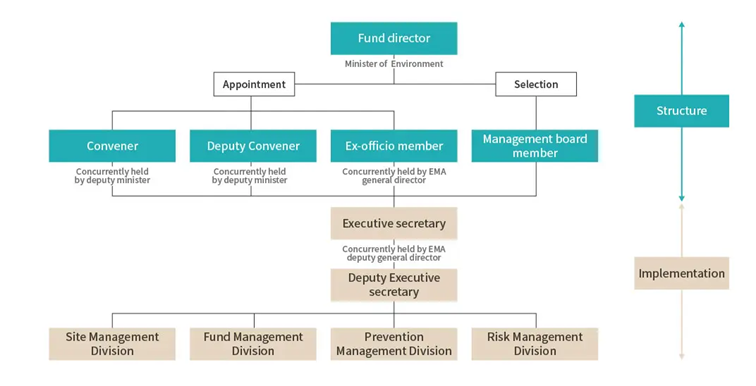 Figure 1. Soil and Groundwater Pollution Remediation Fund Management Board organizational chart