Off-Site Contaminated Soil Management
Background
In light of the rapid increase in the number of contaminated sites in Taiwan, as well as the stricter regulatory and penalty provisions introduced by the amendments to the Soil and Groundwater Pollution Remediation Act (the Act), the need for off-site treatment of contaminated soil has grown, particularly for sites where remediation cannot be completed on-site due to constraints such as space, time, technology, or budget.
In 2014, it was resolved that the declaration and management of off-site soil treatment should be aligned with the framework of the Waste Disposal Act, leveraging the long-established transportation and treatment mechanism for industrial waste. This approach allows for better control of the effectiveness and flow of off-site contaminated soil treatment, preventing secondary pollution problems, while related regulations have been continuously revised to facilitate implementation.
Implementation History
To effectively manage the flow of off-site contaminated soil treatment, in 2014 the Ministry revised and announced amendments to Article 2, Paragraph 1, Subparagraph 2 of the Waste Disposal Act, adding Subparagraph 34 to designate contaminated sites adopting off-site treatment as regulated businesses. These include sites where emergency response measures are required under the Act, or sites publicly announced as Pollution Control Sites, Remediation Sites, Soil Pollution Control Zones, or Groundwater Pollution Use Restriction Zones. However, sites that have been delisted or removed from regulatory control are excluded.
On April 11 of the same year, the Ministry revised and announced waste codes for the transportation of contaminated soil, including six new process codes, 27 new waste codes (S-codes), and one revised material code. From that point on, before off-site treatment could take place, a remediation plan was required to be submitted for review and approval. During transportation, an online tracking system must be used, and licensed trucks must be equipped with Global Positioning System (GPS), driving recorders, and communication devices. These trucks are required to transport contaminated soil only to approved treatment or reuse facilities.
Achievements
To diversify channels for the off-site reuse of contaminated soil, in 2017 the Ministry issued an interpretation allowing the use of contaminated farmland soil as landfill cover and for public works. In 2019, further guidance on diversified management methods for contaminated soil was issued, and in 2020, the Guidelines for Application and Review of Off-Site Soil Treatment Special Facilities was released.
As of the end of 2024, there were 14 licensed facilities with S-code permits for off-site treatment and reuse, including 7 reuse facilities and 7 treatment facilities, with a combined monthly permitted capacity of 123,000 metric tons. Under the framework of the Act, five landfills—including the Central Region Comprehensive Industrial Waste Treatment Center of the Ministry of Economic Affairs and four public landfills in Taoyuan City—have accepted contaminated farmland soil as landfill cover, with a cumulative volume of approximately 54,000 metric tons. In addition, one public works project in Changhua County has reused contaminated farmland soil, with a cumulative reuse volume of approximately 28,000 metric tons. Furthermore, one off-site special treatment facility has been established in Taoyuan City.
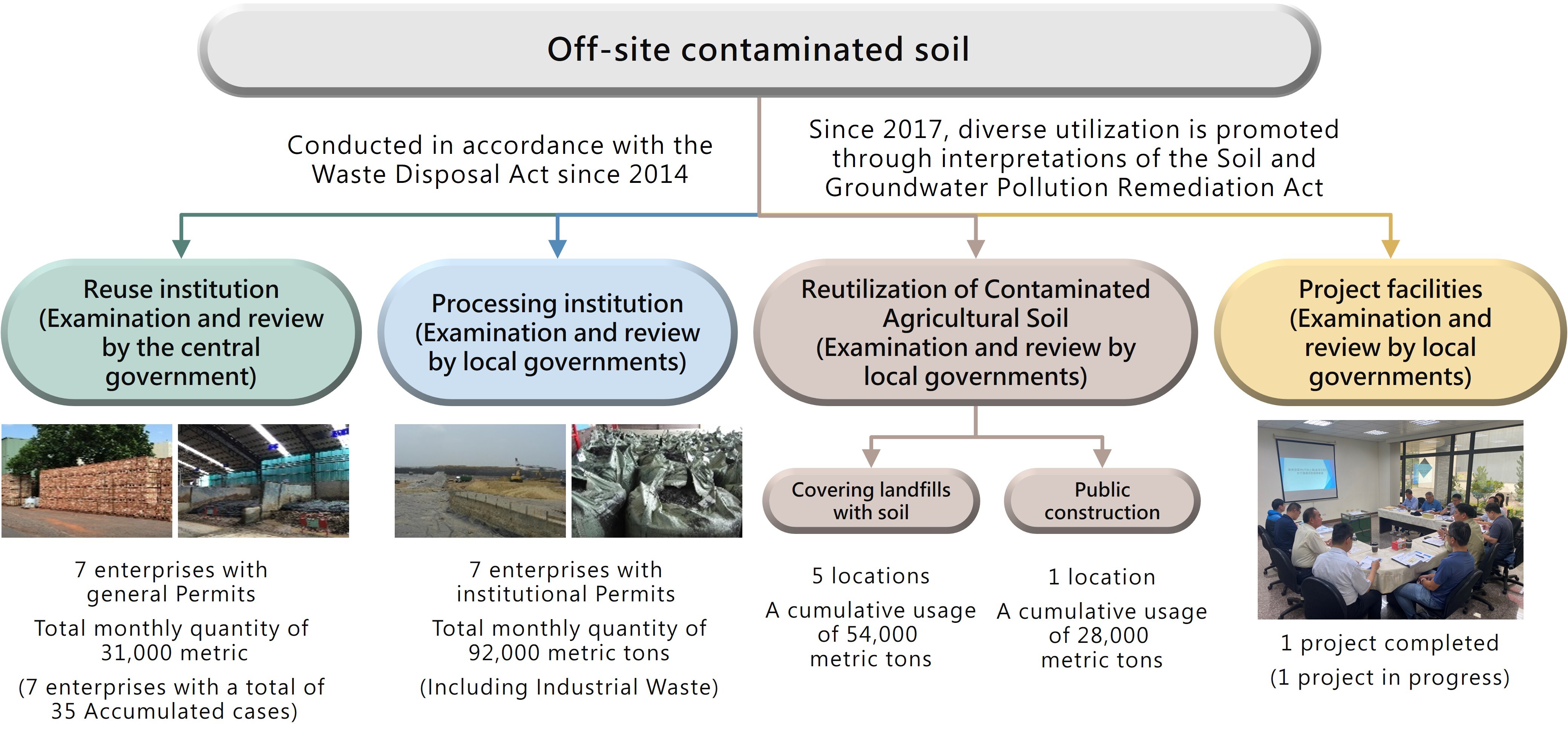 Figure 1. Progress in implementing the Off-Site Contaminated Soil Management System
Further Reading: Off-Site Soil Diversified Treatment Management System