Promotion of Polluted Land Revitalization and Reutilization
To accelerate the remediation of contaminated land, the ' Operational Principles for Zoning, Remediation, and Land Use of Contaminated Sites ' were established on May 25, 2021. This regulation provides operational principles for local governments to plan and implement phased remediation and land use of contaminated sites, ensuring environmental safety and sustainable redevelopment.
Case Description
As a national pilot for brownfield remediation and land revitalization, the Dagang site in Nantou City serves as a demonstration of coordinated governance. A dedicated task force—jointly formed by central inter-ministerial agencies and the local government—oversees integrated site remediation and redevelopment. The project includes the construction of public environmental protection facilities through a public–private partnership (BOT) model. A portion of the redevelopment revenue will be returned to the Soil and Groundwater Pollution Remediation Fund, creating a sustainable financial mechanism to support similar projects nationwide. This collaborative approach exemplifies how sustainable remediation can restore soil and groundwater functions, enhance land value, and foster community revitalization.
Further Reading: Video—Contaminated Land Revitalization, Breathing New Life into Soil in Dagang, Nantou, 2023
Future Outlook
This collaboration model will continue through joint efforts between central and local governments. Four key benefits have been identified, and the remediation of national and public contaminated lands will be prioritized. The government will remediate pollution and transform these sites into valuable public environmental facilities, promoting sustainable land use.
- 1. Accelerated Improvement: Conduct thorough remediation assessments, implement expedited site remediation, and facilitate land reuse planning and development.
- 2. Fund Sustainability: Implementing robust investment strategies, maximizing return on investment, and establishing effective fund recycling mechanisms.
- 3. Inter-ministerial cooperation: Fostering strong collaboration between central and local environmental agencies to address environmental protection challenges at all levels of government, sharing resources and expertise to enhance environmental protection outcomes.
- 4. Economic benefits: Revitalizing the local economy by generating new revenue streams and stimulating industrial growth and job opportunities.
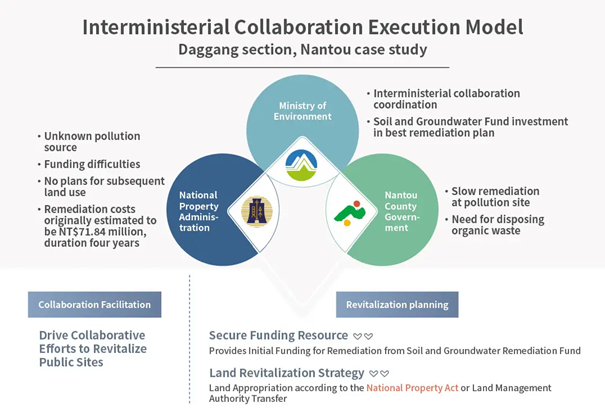 Figure 1. Activities at contaminated sites combined with public-benefit environmental protection facilities