Sediment Quality and Testing Management
Background
Sediment consists of a mixture of sand, clay, silt, and other substances that settle at the bottom of water bodies. Sediment may originate from mineral-rich soil, natural organic materials from plants and animals, or pollutants from human activities that have settled at the bottom of water bodies through physical means and biochemical reactions. Since sediment is located beneath the water's surface, pollution is unlikely to result in human contact or ingestion, thus posing no immediate threat to people's health. However, if pollutants from human activities accumulate in sediment over time, it could potentially pose health risks to humans through bioaccumulation and biomagnification in the food chain.
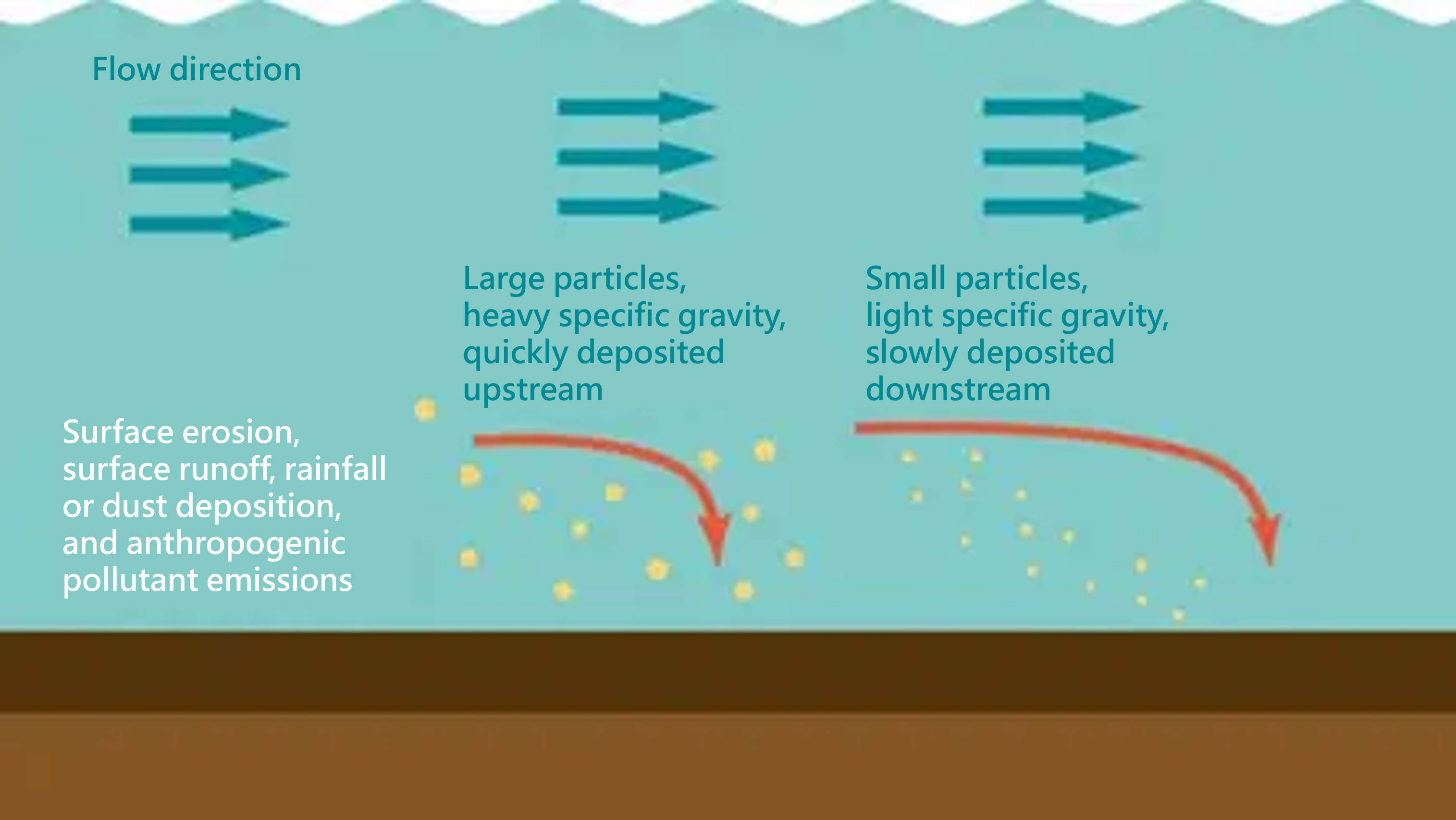 Figure 1. Illustration of sediment formation
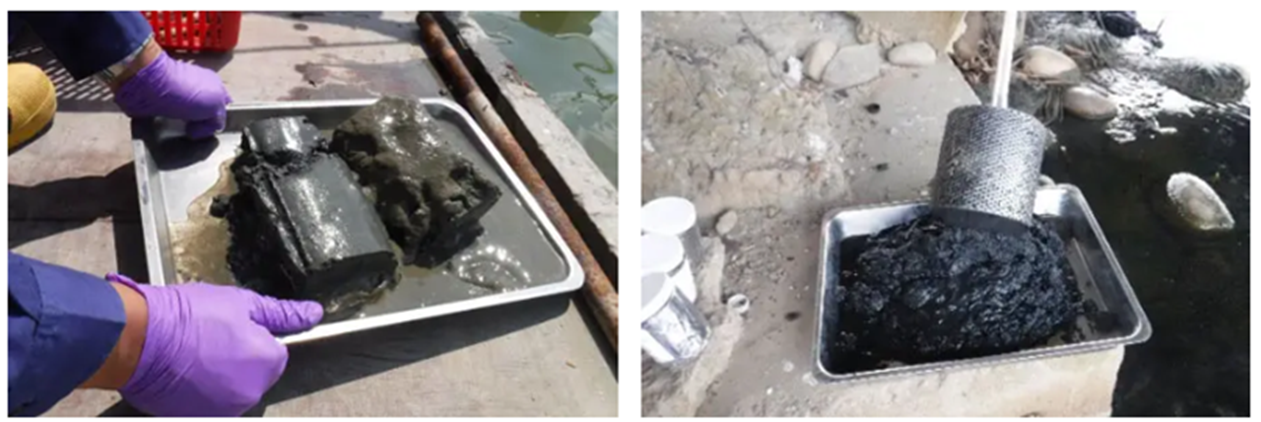 Figure 2. Appearance of sediment
Since sediment quality management was incorporated into the Soil and Groundwater Pollution Remediation Act in 2010, the Ministry of Environment (MOENV) has annually established relevant laws, administrative regulations, and guidelines. Beginning in 2014, business competent authorities of rivers, lakes, reservoirs, and irrigation canals must conduct regular sediment quality testing at least once every five years in water bodies under their jurisdiction. The sediment quality test results are published on the Taiwan Sediment Quality Information website, allowing the public to access information and understand sediment quality management knowledge and achievements. This helps the public better understand sediment quality and the current state of the aquatic environment.
 Figure 3. Sediment sampling in water bodies
For relevant achievements and more information, please visit the Taiwan Sediment Quality Information website
Implementation Process and Achievements
To protect the health of the people and maintain sediment quality, sediment quality management has been included in the Soil and Groundwater Pollution Remediation Act since the end of 2010. According to the provisions of the Soil and Groundwater Pollution Remediation Act, the competent authorities of rivers, lakes, reservoirs, irrigation canals, and other designated surface water bodies, as announced by the central competent authority, are required to conduct sediment quality testing for the water bodies under their jurisdiction at least once every five years, starting from 2014. The MOENV has successively formulated a number of sub-acts and related administrative regulations, with its implementation progress shown in Figure 4.
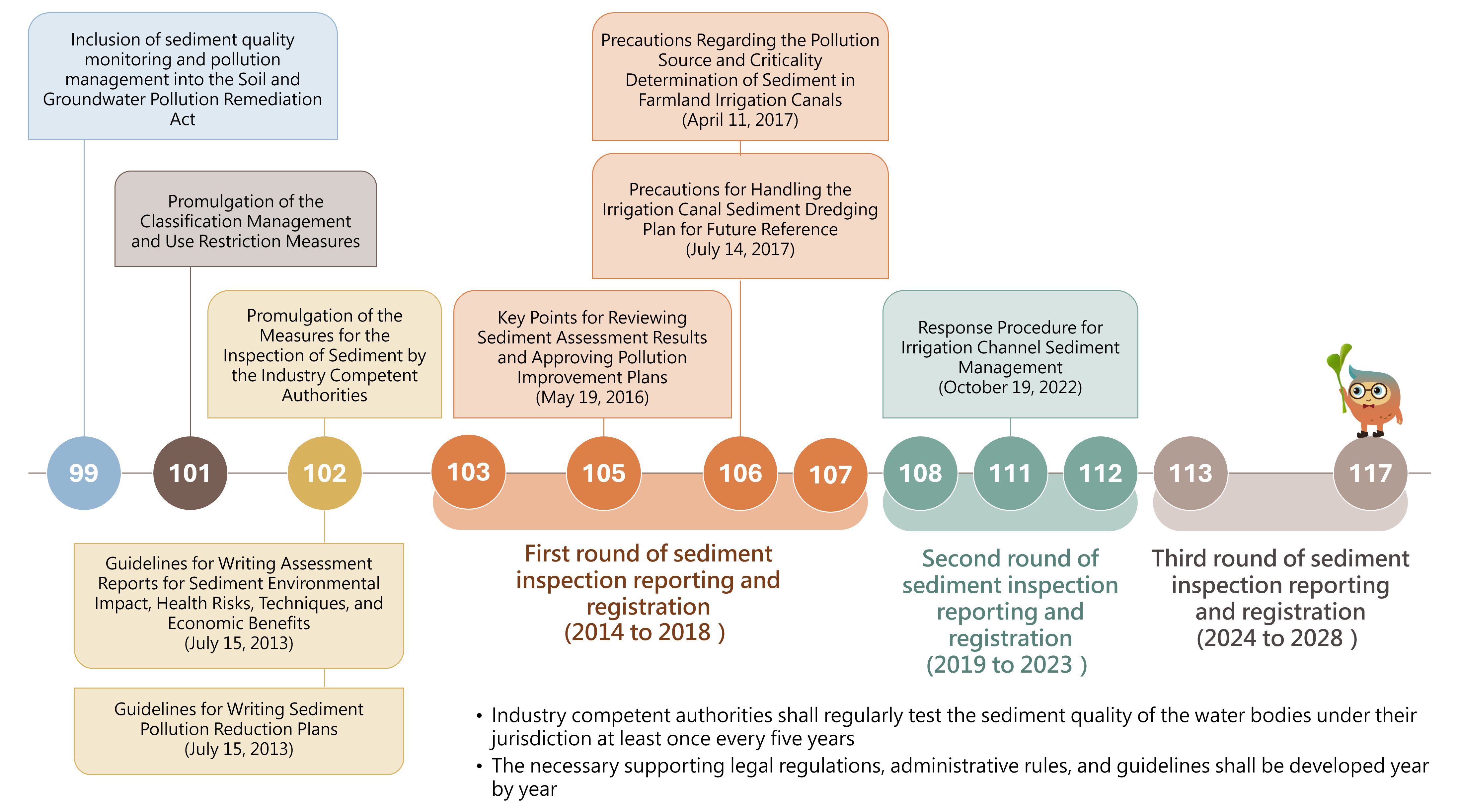 Figure 4. Timeline of Sediment Quality Management Initiative
Industry competent authorities have completed two rounds of sediment quality inspection reporting and registration. Both the submission rate for sampling plans and the reporting rate for sediment quality data were 100%. The third round of sediment quality inspection reporting and registration (2024 to 2028) is currently underway. The Environmental Management Administration (EMA) will continue to supervise industry competent authorities to complete regular sediment quality inspection and manage sediment-related matters. As of the end of 2024, a total of 1,488 water bodies have undergone sediment quality inspection reporting and registration, including 235 rivers, 251 reservoirs, and 1,002 irrigation canals.
Future Outlook
In the future, the Soil and Groundwater Pollution Remediation Fund Management Board of the EMA, will continue to assist the competent authorities in the declaration and filing of sediment quality monitoring results. For water bodies where elevated sediment pollutant concentrations are detected, the Board will actively develop and implement diverse and practical management strategies, to gradually strengthen the sediment quality management system.
This initiative will be carried out in coordination with the competent authorities responsible for water bodies (such as the Water Resources Agency of the Ministry of Agriculture, the Water Resources Bureau of the Ministry of Economic Affairs, and local government water agencies), as well as central and local environmental protection agencies, to jointly conduct pollution source inspections and water quality management activities. The goal is to effectively prevent pollutants from continuously entering water bodies and to collectively safeguard sediment environmental quality.
Through the continuous refinement of management systems and strengthened inter-agency collaboration, these initiatives will help comprehensively enhance sediment quality management, ensure steady improvements in water environment quality, and promote the sustainable use of water resources while safeguarding the health and safety of aquatic ecosystems.