Site Risk Management
The prioritized approach to risk management is pollution elimination, aimed at removing hazards and eliminating pollution sources to ensure they no longer impact the environment. Contaminated sites are assessed based on the severity of pollution, current environmental impacts, or land reuse demands in order to plan appropriate risk management measures. These measures are then incorporated into comprehensive management plans and implementation strategies to protect human health and the environment for both the site itself and the surrounding areas.
Environmental Risk
Environmental risk represents the probability of harm or loss resulting from a particular event. For instance, when contaminated soil or groundwater is present in the environment, inadvertent human contact may increase the likelihood of health risks. Conversely, effective risk management can reduce exposure to pollutants, thereby lowering health risks and also achieving the goals of human health and environmental protection.
Risk Management Measures
The primary purpose of risk management measures is to reduce pollutants exposure and limit the pollutant transport. These measures can be categorized into two main types: engineering controls and administrative controls, as described below:
In cases where it is not feasible to completely remove pollutants due to remediation difficulties, pollution control methods through engineering controls that are less invasive and have minimal environmental impacts can be adapted. Although such methods may require a longer remediation timeline.
Control methods:
- Eliminate exposure using pavement: by applying a layer of asphalt, concrete, or clean soil directly over the polluted soil to prevent direct contact between humans and the contaminated soil.
- Restrict groundwater flow: by cutting off groundwater flow pathways, preventing the migration of contaminated groundwater or leachate, confining the pollution within a controlled area, preventing further spread.
- Pollutant solidification/stabilization: by adding cement to the contaminated soil to solidify it or making it immobile. Stabilization refers to transforming pollutants into substances with lower toxicity or lower solubility, thereby reducing their potential hazards.
Administrative controls are legal and regulatory measures that serve as passive approaches for pollution containment or prevention. These methods are typically implemented after pollutants have been removed from a site or effectively managed through engineering controls, aiming to enhance community awareness of the pollution. Administrative control measures include restricting land use, monitoring pollution, prohibiting use of groundwater, and providing access to safe drinking water. Additionally, administrative controls can ensure the effectiveness of pollution cleanup and engineering controls, such as routine inspections on the condition of pollution barriers or engineered controls.
Control methods:
- Safety barriers or fencing: delimit the contaminated area by setting up fences to restrict access and prevent exposure to receptors.
- Administrative control measures: controlling through limiting land and resource use and regulating human activities, such as land use zoning adjustments, long-term pollution monitoring, prohibiting use of groundwater within or around the site, providing access to clean tap water, or restricting land use and development purposes.
- Human health risk monitoring: tracking pollutants in the body through samples such as blood, urine, or hair to monitor exposure levels.
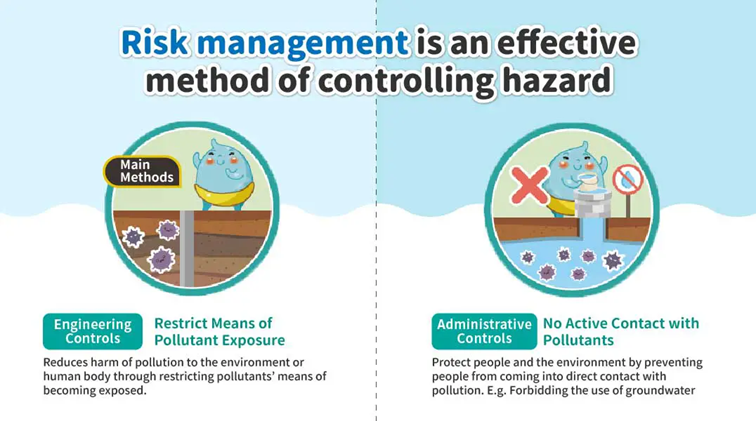 Figure 1. Hazard control methods of effective risk management
Risk Management Results
The effectiveness of risk management is evaluated to determine whether the risks posed by land pollution to human health and the environment have been effectively reduced, thereby achieving improvements in environmental quality and public health. Through review and supervision by the Environmental Management Administration, the benefits of risk management measures are assessed to ensure that risks are effectively controlled and that maximum risk reduction is achieved.