Promotion System for Sites Requiring Accelerated Remediation
Background
When a site is designated as a Soil and Groundwater Pollution Control Site (hereinafter referred to as a Control Site) or a Soil and Groundwater Pollution Remediation Site (hereinafter referred to as a Remediation Site), the responsible party is required to submit a pollution improvement plan, which must be approved and implemented under the supervision of the local Environmental Protection Bureau (EPB). To safeguard public health and protect environmental resources, the status of listed sites is regularly evaluated to oversee remediation progress. Sites that have failed to undertake remediation measures or have shown prolonged stagnation are collectively referred to as Sites Requiring Accelerated Remediation, for which special attention and resources are devoted to strengthening pollution remediation and management. Since 2017, the EMA has focused on managing and tracking sites with long-term stagnation—particularly those where the responsible party is unknown or has failed to fulfill remediation obligations, groundwater pollution use restriction zone, and sites with delayed progress exceeding six months in the regulatory process. The EMA has provided legal consultations to clarify administrative procedures and guided responsible entities in implementing effective pollution improvement measures.
Implementation Process and Achievements
The EMA has been managing sites requiring accelerated remediation since 2017. To further promote pollution remediation and delisting of these sites, the EMA conducted a comprehensive review in June 2023, identifying a total of 146 sites requiring accelerated remediation. A full-scale analysis was carried out to confirm the responsible parties, assess the extent and severity of pollution, and develop remediation methods and implementation plans, with the ultimate goal of delisting the sites and restoring land use. Given the latent, cumulative, and complex nature of soil and groundwater pollution, it is challenging to promptly complete tasks such as delineating pollution boundaries, assessing contamination severity, initiating remediation, and conducting risk assessment and management. Therefore, the EMA has adopted a central demonstration and local grant approach, collaborating with local environmental protection agencies to advance remediation efforts, provide policy feedback, and ensure the effective and timely completion of remediation and management activities for sites requiring accelerated remediation.
In addition, for sites where remediation has not yet commenced, the EMA implements interim risk management measures. A baseline risk–based site classification approach is applied to guide the allocation of risk management resources and prioritization of actions, including necessary contamination containment, receptor protection, and monitoring measures. Responsibilities are assigned based on site risk levels: high-risk sites are led by the central competent authority, medium-risk sites are managed by stakeholders of the contaminated land, and low-risk sites are handled by local environmental protection agencies, thereby enhancing overall site management efficiency and the effectiveness of risk control. The remediation and management strategy is illustrated in Figure 1, and since the completion of the site inventory in 2023, the results can be categorized into two major components.
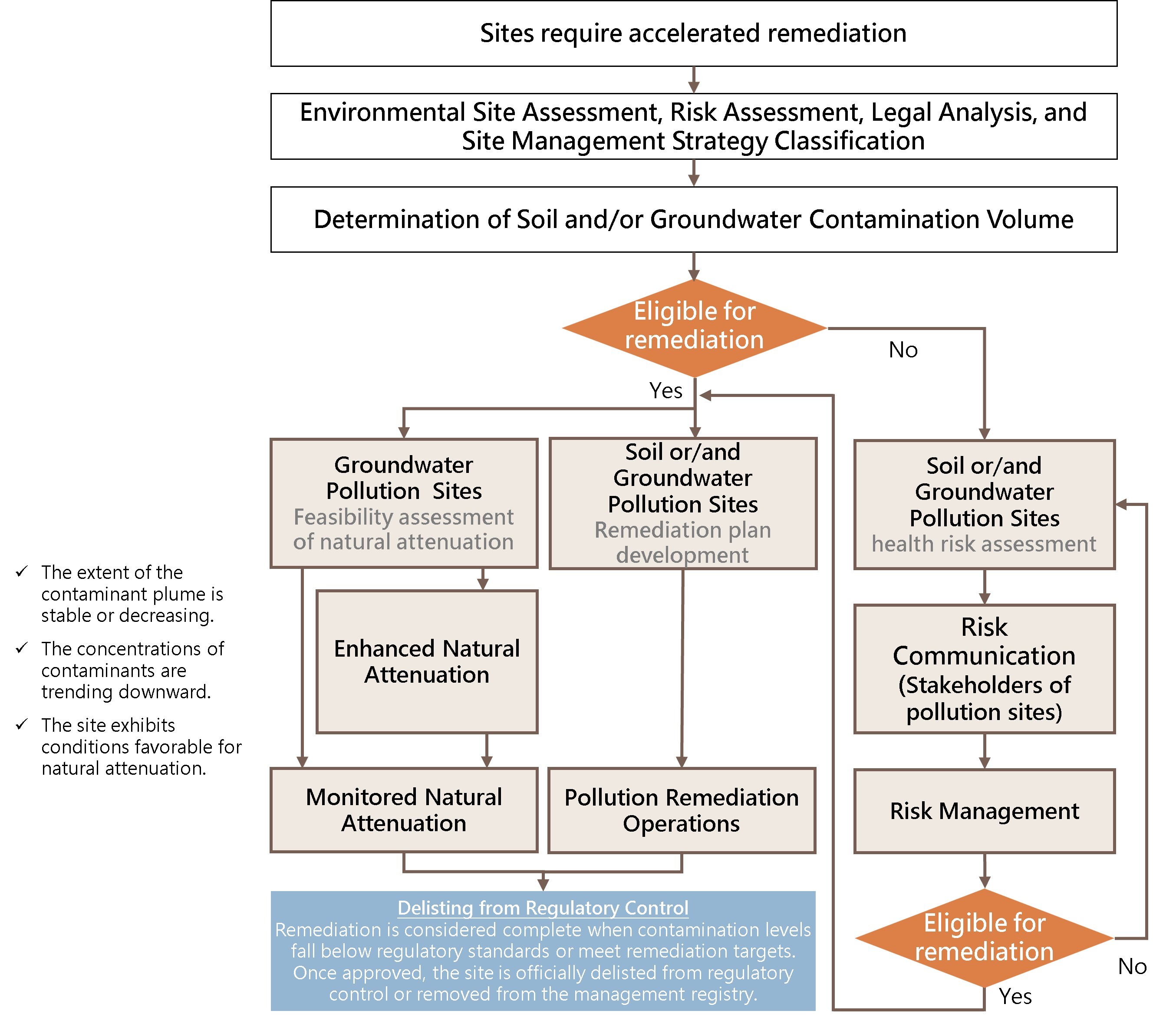 Figure 1. Promoting Remediation and Management Strategies for Sites Requiring Accelerated Remediation
To comprehensively identify the responsible parties, current land use, and redevelopment potential of the sites requiring accelerated remediation, the EMA completed environmental site assessments for 146 sites by the end of 2024. These assessments serve as the foundation for subsequent tasks, including determining the extent of pollution and planning appropriate remediation actions. For sites where environmental assessments have been completed, the EMA has progressively conducted pollution volume determination to develop remediation strategies, evaluate the feasibility of site cleanup, and plan remediation methods and budgets. These efforts facilitate the continued implementation of remediation and management for the sites requiring accelerated remediation. In terms of practical remediation outcomes, the EMA completed a demonstration remediation project at the Dagang Section in Nantou County by the end of 2023. Following verification by the Nantou County Environmental Protection Bureau, the site was officially delisted in May 2024. Subsequently, in response to local government needs, the site will be planned for the development of an organic waste resource center to promote the resource utilization of organic waste. Operational revenues will be reinvested into the Soil and Groundwater Pollution Remediation Fund (SGPRF) to support sustainable land reuse and maintain long-term financial and institutional sustainability.
To further expand the capacity for pollution remediation and enhance the effectiveness of remediation operations, since 2024 , the EMA has adopted a “Dual-Track Central-Local Remediation Management” strategy to accelerate and amplify remediation outcomes. Under this strategy, the central competent authority formulates strategies and demonstrates implementation (including legal analysis, planning of land revitalization revenue return funds, promotion of sites requiring accelerated remediation, site risk assessment and management, and management of groundwater pollution use restriction zone). Meanwhile, local environmental authorities apply for projects to advance site remediation and management (including routine site management plans, implementation of pollution remediation, risk management, and appropriate measures for groundwater pollution use restriction zone), with the goal to ensure that remediation of sites requiring accelerated action is completed on schedule and in accordance with standards.
Following the aforementioned Dual-Track Central-Local Strategy, implementation has gradually proceeded in 2024. At the central level, the EMA has conducted legal opinions for various sites, facilitated collaboration for land reuse, continuously monitored sites requiring accelerated remediation, and formulated subsidy application guidelines. In addition, demonstration remediation has been completed for one site in the Dagang Section. In terms of subsidies to local environmental protection agencies, ongoing efforts continue to be implemented for sites within groundwater pollution use restriction zones and sites adopting pollution remediation or risk management measures. Multiple subsidy projects across various municipalities and counties have been successively approved, and related work, including site remediation and supervision, pollution investigations, emergency response measures, and risk management activities, continues to be carried out.
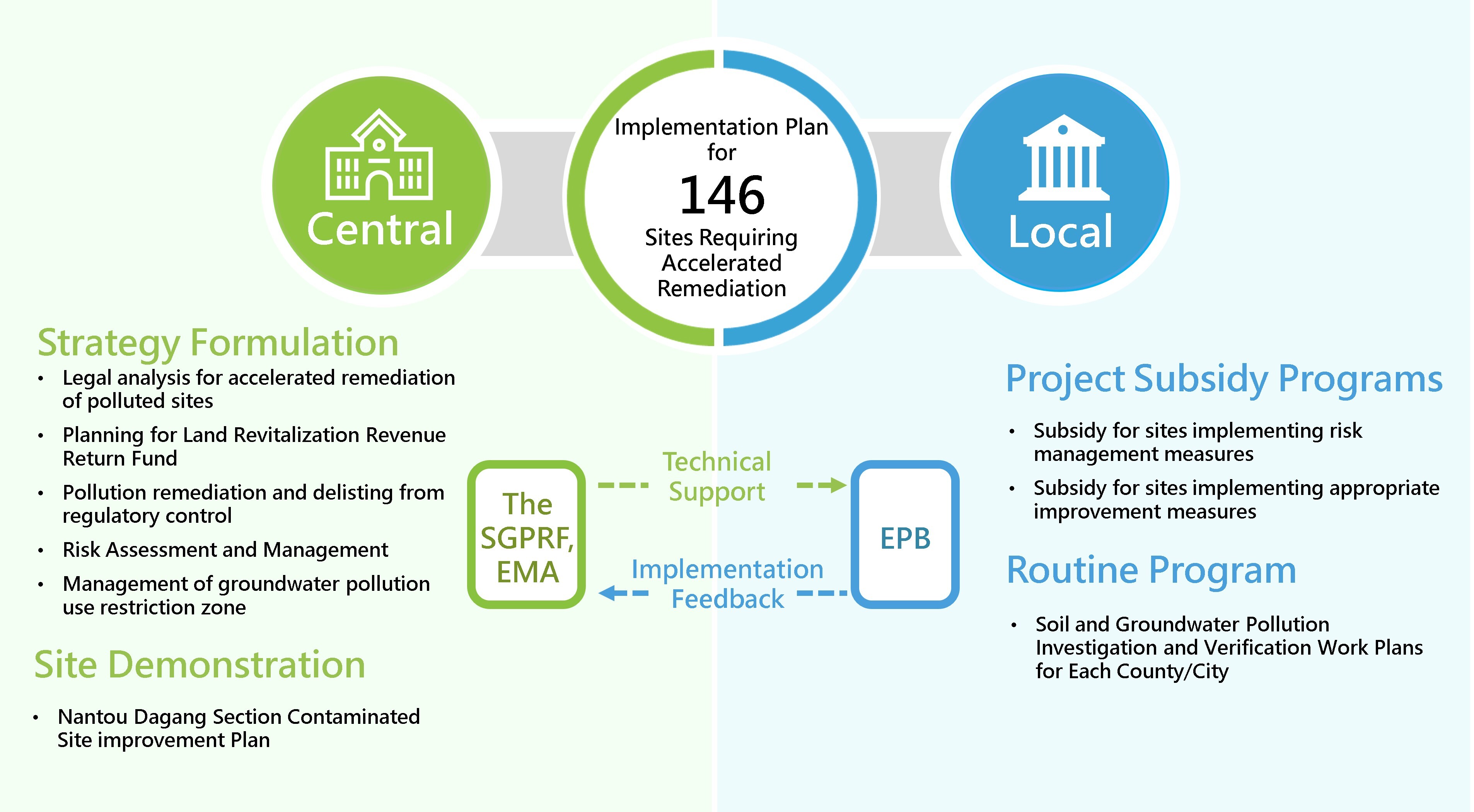 Figure 2. Dual-Track Implementation by Central and Local Governments for Sites Requiring Accelerated Remediation
Future Outlook
Through the continued promotion of remediation and management for sites requiring accelerated remediation, efforts are being made to safeguard public health and the ecological environment, restore land to normal use, and prevent delays or stagnation in pollution remediation from recurring. The long-term objectives are as follows:
- 1. Comprehensively identify the responsible parties and land use of sites requiring accelerated remediation, complete contamination volume determination, and formulate the most appropriate remediation strategies , and ensure that remediation and management are carried out in accordance with regulatory requirements.
- 2. Continue to implement the dual-track remediation and management approach between central and local governments, accelerating and expanding remediation effectiveness to ensure the sustainable use of land and groundwater resources.
- 3. Feed back experiences into regulations, technologies, and management tools related to preventive site management, to prevent stagnation in remediation progress and enhance the efficiency of fund utilization.