Green Sustainable Remediation and Management
Green sustainable remediation(GSR) applies techniques, methods, or management practices at any stage of the pollution site remediation process that accounts for environmental quality, social equity, and economic efficiency. The goal is to reduce the overall environmental footprint and impact, align with shared social interests, and minimize economic drawbacks.
For related achievements and more information, please visit the Green Sustainable Remediation Promotion Platform.
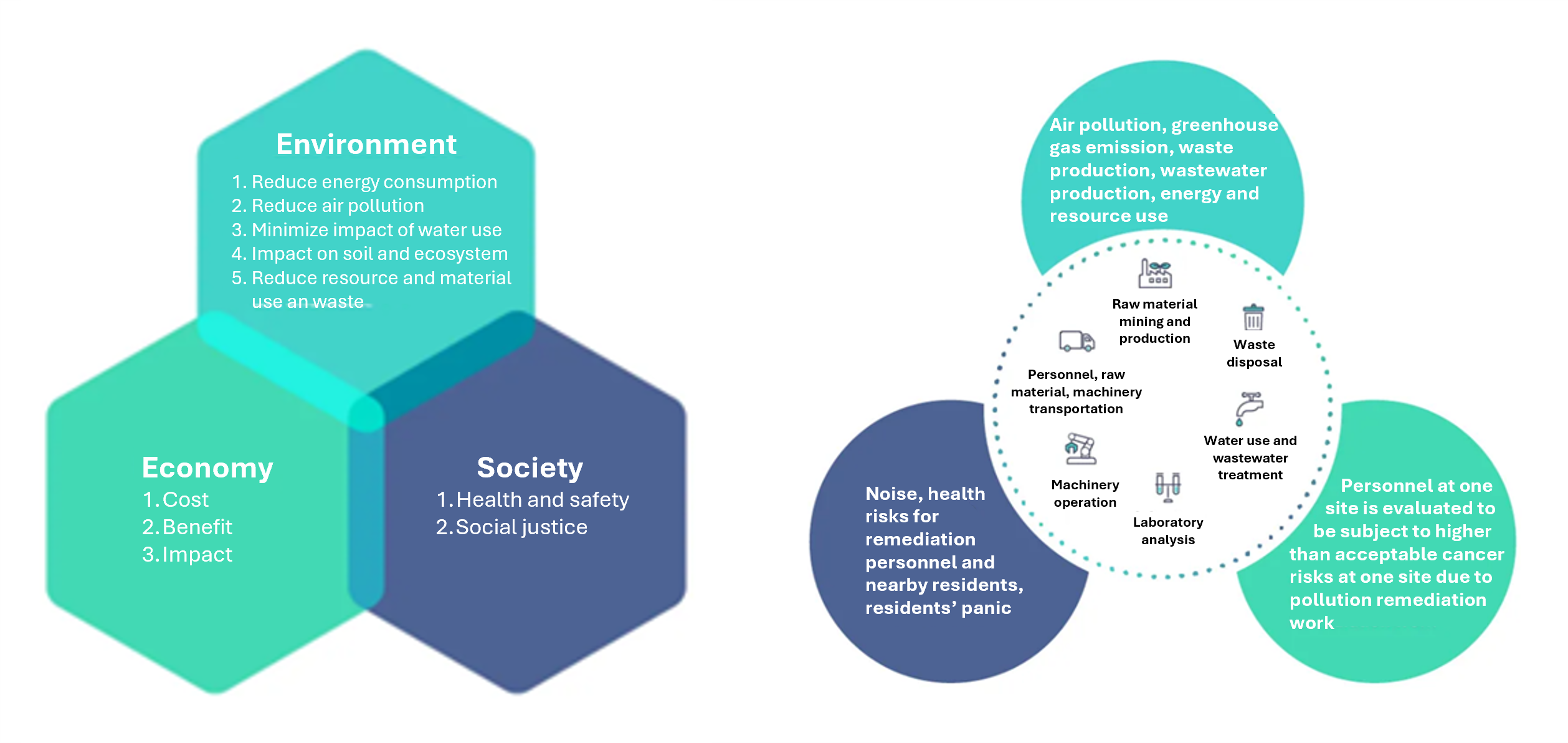 Figure 1. Green and Sustainable Remediation
Technical Development Achievements
To continuously enhance the domestic technical capabilities for soil and groundwater pollution investigation and remediation, and to assist the domestic environmental protection industry in promoting technologies, the EMA has incorporated the concept of Green and Sustainable Remediation (GSR) of contaminated sites into its technological development. Additionally, the EMA has introduced resilience designs to respond to natural disasters and other environmental changes, and has developed strategies for Green and Sustainable Resilient Remediation (GSRR). In response to the impact of natural disasters as well as the global trend of environmental protection and sustainable development, Taiwan has introduced resilient designs based on the existing GSR concept to adapt to environmental changes such as natural disasters, and has developed strategies for GSRR to reduce the risk of migration and transformation of pollutants while cushioning the impact of disasters on remediation efforts. In 2024, the EMA focused on establishing and developing resilience measures for contaminated sites and carbon reduction measures for remediation projects, updating, improving, and accelerating the GSRR for soil and groundwater contaminated sites in Taiwan to align with net-zero carbon reduction policies and mitigate the impact of natural disasters.
Overview of GSR Implementation
To reduce the varying degrees of impacts and influences of pollution remediation sites on the environment, society, and economy, the EMA has encouraged contaminated sites under the regulatory listing to include GSR assessments or best management practices (BMPs) in their control/remediation plans or progress reports since 2018. Every year, 10% to 30% of the sites have incorporated GSR into their pollution reduction projects. In 2024, the number of sites peaked at 119. Among them, 42 sites included GSR assessments when proposing or changing their control or remediation plans, and 74 sites detailed the GSR BMPs in the periodic progress reports. Approximately 20 sites recorded environmental footprint data during their periodic progress updates, indicating that the GSR concept is gradually being adopted by site remediators, with increasing attention given to the total environmental footprint of remediation activities.
The EMA has compiled statistics on the proportion of regulatory-listed sites implementing GSR from 2016 to 2024, as shown in Figure 2. It was found that the number of sites implementing GSR assessments on the EMA’s Green and Sustainable Remediation Promotion Platform has increased year by year, indicating that site remediators have become increasingly proficient in using the platform to compare GSR implementation plans, report progress on environmental footprints, and engage in BMPs.
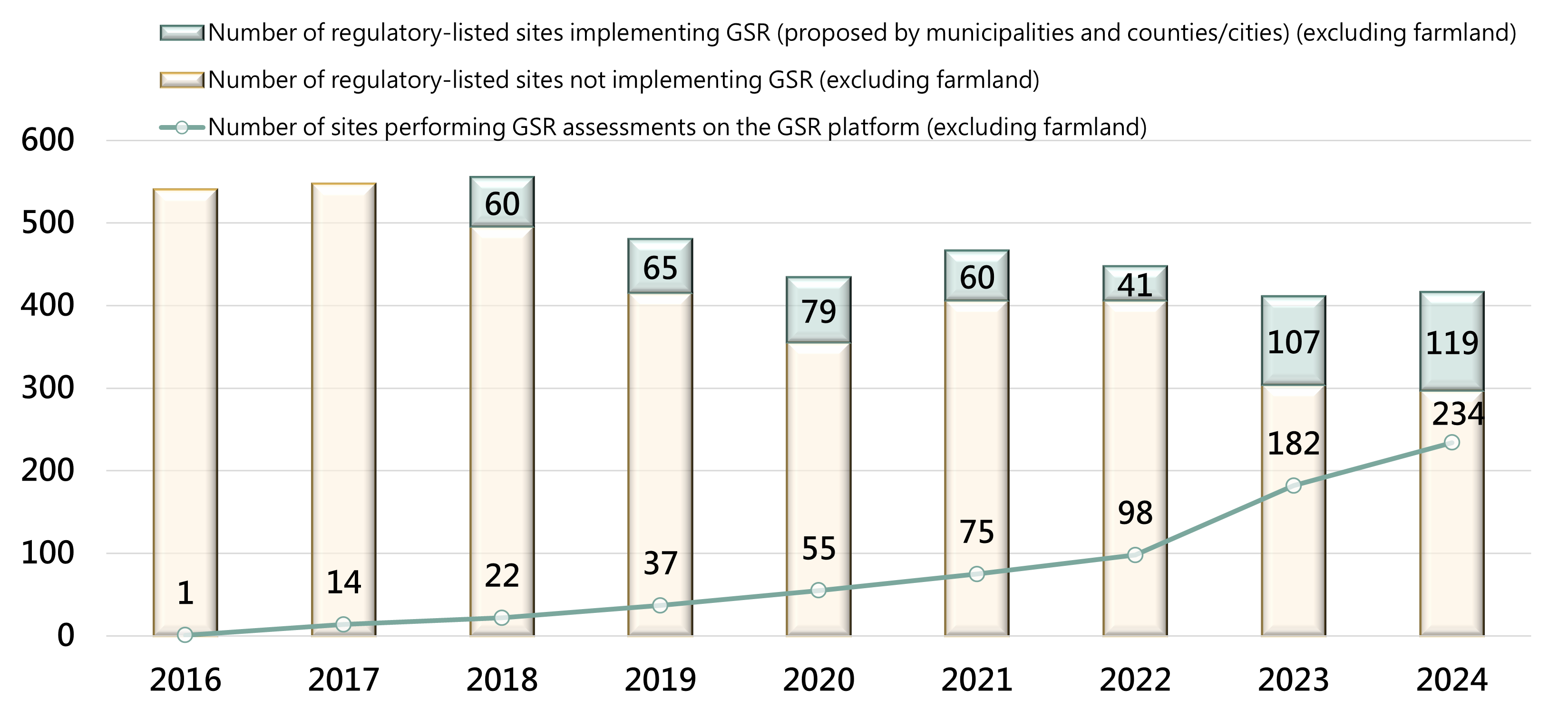 Figure 2. Status of GSR implementation in sites under regulatory listing (2016–2024)
From GSR to GSRR
Natural disaster events may have an impact on contaminated sites, changing the effectiveness and progress of remediation efforts, and affecting the safety and economic development of the sites and their surrounding communities. The EMA’s 2024 assessment of sites classified as moderate risk or above indicates that contaminated sites under the regulatory listing in Taiwan are indeed threatened by natural disasters, as shown in Figure 3.
To assist pollution remediators in coming up with adjustment plans to adapt to future natural disaster impacts, and to reduce the impact of the remediation process on the environment, society, and economy while maintaining the effectiveness of pollution reduction, the EMA revised the GSRR implementation framework in 2024 on a rolling basis, mainly involving the incorporation of GSRR practices and continuous updates to the framework based on actual conditions.
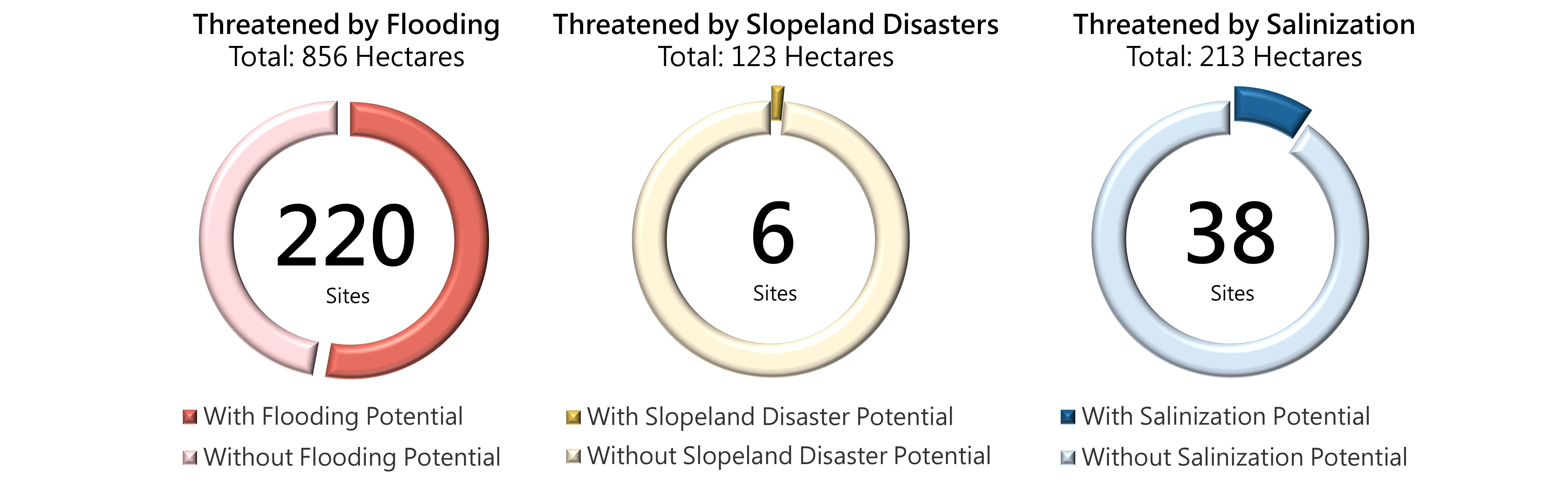 Figure 3. Statistics on the number and area of contaminated sites under regulatory listing in Taiwan threatened by natural disasters